


The Great Freight Rate Correction: Shipping After the Pandemic Boom

20 September 2022
After two extraordinary years in which container freight rates reached historic highs, the shipping market is experiencing a correction of remarkable speed and severity. The era of $20,000-per-TEU spot rates from Shanghai to Europe appears to be over, and the industry is now grappling with what the return to normality looks like.
From Boom to Bust
The pandemic-driven boom was fuelled by a perfect storm of factors: surging consumer demand for goods, port congestion, container shortages, and widespread supply chain bottlenecks. Liner operators are posting record profits; Maersk alone is reporting earnings before interest and tax of over $30 billion for 2022. Yet even as these profits are announced, the tide is already turning.
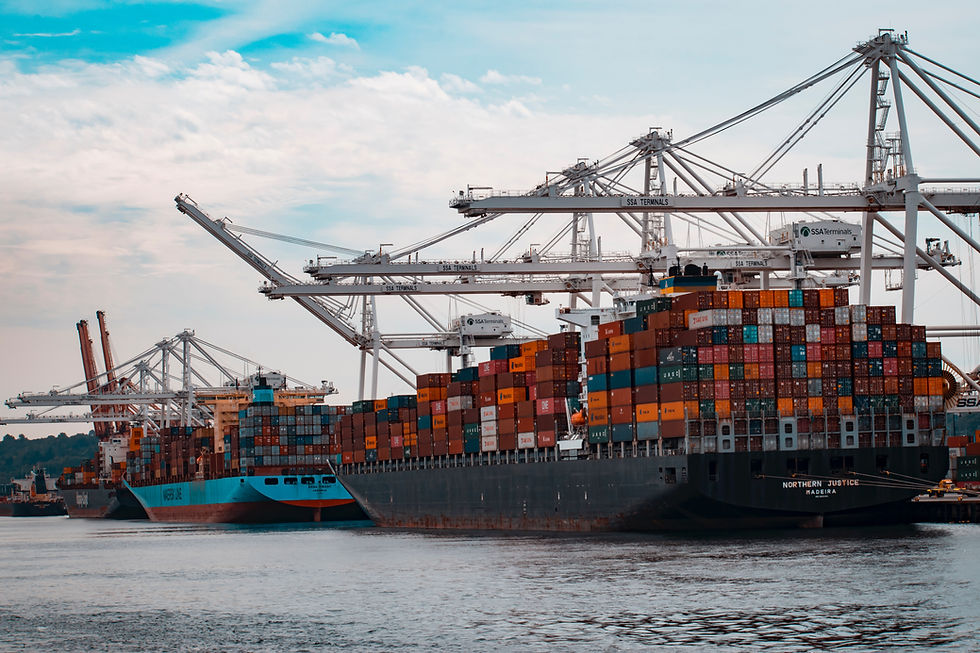
Freight rates from Asia to Europe have fallen more than 60 per cent from their September 2021 peaks, and the decline shows no sign of abating. The Shanghai Containerized Freight Index, which tracks spot rates from Shanghai to major global destinations, has retreated sharply. Bookings are softening. Blank sailings—where carriers cancel scheduled voyages to manage capacity—are increasing.
The Supply Side Problem
Compounding the demand-side correction is a supply-side challenge of the industry’s own making. During the boom years, carriers placed orders for new container ships at a pace not seen in over a decade. These vessels are now beginning to enter the fleet precisely as demand cools. Industry analysts estimate that the orderbook-to-fleet ratio stands at approximately 28 per cent—a level that, absent substantial scrapping, will weigh heavily on freight rates for years to come.
The surge in empty container stockpiles is serving as an early indicator of the imbalance. Ports across Europe and North America are reporting record numbers of empty boxes, evidence that the restocking cycle which underpinned demand is largely complete.
Contractual Disputes in the Wake of the Boom
The boom has generated a wave of charterparty disputes now reaching the English courts and London arbitration tribunals. The Court of Appeal’s decision in SK Shipping Europe Ltd v Capital VLCC 3 Corp (The C Challenger) [2022] EWCA Civ 231 addresses issues of contractual interpretation in the context of time charter obligations, while M/V Pacific Pearl Co Ltd v Osios David Shipping Inc (The Panamax Alexander) [2022] EWCA Civ 798 considers the scope of a charterer’s obligations on redelivery. Both cases are instructive for parties negotiating and performing charterparties in the current volatile market.
Demurrage claims, in particular, are proliferating. The pandemic-era congestion at ports worldwide left vessels waiting at anchor for days or weeks, and the demurrage exposure is now being quantified and disputed. The question of what losses are liquidated by a demurrage clause—and what losses may be recoverable in addition to demurrage—remains a live and commercially significant issue.
Implications for Charterers and Owners
For charterers, the correction brings welcome relief after years of punishing freight costs. Negotiating leverage has shifted decisively, and the era of take-it-or-leave-it carrier pricing is over—at least for now. Shippers are once again able to secure competitive long-term contract rates.
For shipowners and tonnage providers, the picture is more complex. Those who locked in long-term time charter contracts at elevated rates during the boom are well-positioned. Others, particularly those exposed to the spot market or with newbuilding deliveries approaching, face a more uncertain outlook. The question for the container sector in the years ahead will be whether the overcapacity that plagued the industry before the pandemic returns in even more acute form.
A Structural Shift?
Some commentators are suggesting that the pandemic boom will prove to have been a structural turning point for liner shipping—that the lessons learned about supply chain resilience, inventory management, and the dangers of just-in-time logistics will permanently alter demand patterns. Time will tell. For now, the market is firmly in correction mode, and the shipping industry is recalibrating to a new reality.
![The wrong charterparty, the right injunction: G2 Ocean v Tokio Marine Brasil Seguradora (The Tanchou Arrow) [2026] EWHC 997 (Comm)](https://static.wixstatic.com/media/7118a7_ea4370dd81924623a30050d1d90f9291~mv2.jpeg/v1/fill/w_275,h_183,al_c,q_80,enc_avif,quality_auto/7118a7_ea4370dd81924623a30050d1d90f9291~mv2.jpeg)

Comments