


Record Fleet Growth: The Container Ship Orderbook and Its Consequences


1 October 2024
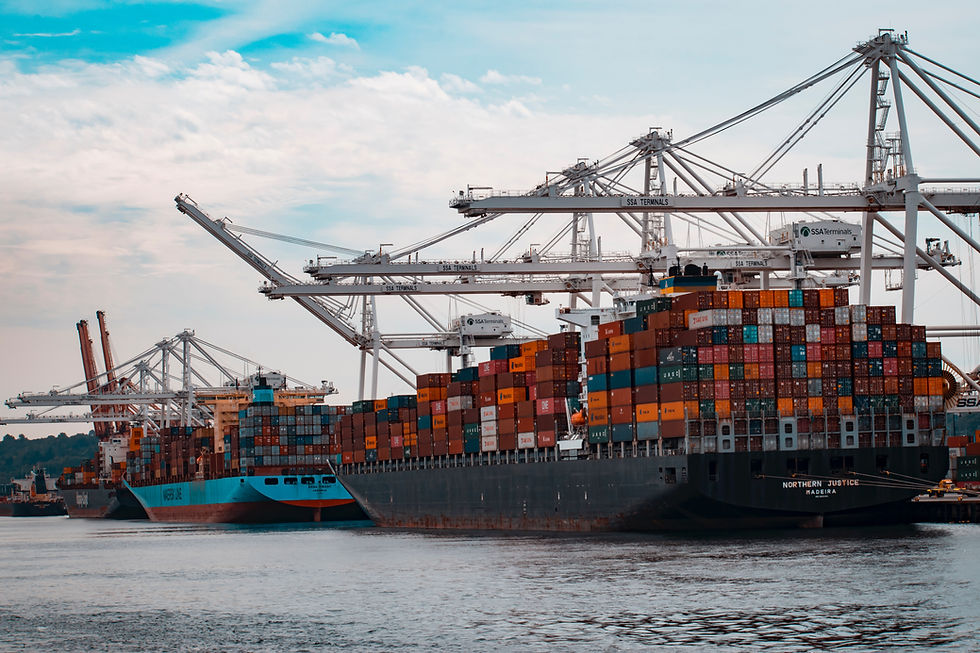
The global container fleet is in the midst of its most aggressive expansion in a generation. A record 530 new container ships are entering service in 2024, following 350 deliveries in 2023. The orderbook-to-fleet ratio remains elevated, and the implications for freight rates, vessel values, and market dynamics are far-reaching.
Origins of the Ordering Boom
The ordering surge can be traced to the extraordinary profits generated during the pandemic-era freight boom. Between 2020 and 2022, the major liner operators accumulated vast cash reserves, and a significant portion has been channelled into fleet renewal and expansion. At the same time, the EEXI and CII regulations which entered force in January 2023, coupled with the IMO’s longer-term decarbonisation targets, have created an incentive to invest in newer, more fuel-efficient tonnage.
The result has been a wave of orders for large container vessels, many specified for dual-fuel propulsion. By the time the pandemic boom ended and freight rates corrected, the orders were committed and the steel was being cut.
Fleet Composition and Efficiency
The new vessels entering the fleet represent a significant step forward in operational efficiency. Modern ultra-large container vessels of 24,000 TEU and above offer substantially lower fuel consumption per container-slot-mile than the ships they are replacing or supplementing. Yet the sheer volume of new tonnage entering the market raises legitimate concerns about oversupply. The container fleet grew by an estimated 6.3 per cent in 2023 and by more than 8 per cent this year. These figures comfortably exceed demand growth, and in a normalised market—one without the Red Sea diversion absorbing surplus capacity—the imbalance would be stark.
Late Redelivery and Market Disputes
The volatile market conditions are generating charterparty disputes, particularly around redelivery. The recent decision of the Commercial Court in Hapag-Lloyd AG v Skyros Maritime Corp [2024] EWHC 3139 (Comm) is noteworthy. That case concerned the late redelivery of two time-chartered vessels where, pursuant to memoranda of agreement with third-party buyers, the owners could not charter the vessels and earn hire after redelivery. The court awarded only nominal damages to the owners rather than market-rate damages for the overrun period—a result with significant implications for owners who have sold vessels with delivery timelines dependent on charter redelivery.
The decision is a salutary reminder that the measure of damages for late redelivery is not automatic, and that owners must be able to demonstrate the loss they have suffered. In a market where vessel values remain firm but charter rates are fluctuating, the interplay between sale contracts and charter obligations demands careful management.
Demolition at Historic Lows
Compounding the supply-side picture is the virtual absence of scrapping activity. With vessel earnings sustained by the Red Sea diversion and older tonnage still commercially viable, demolition levels have fallen to negligible levels. The gap between new deliveries and ships leaving the fleet is wider than at any point in recent memory.
Market Outlook
The container shipping market finds itself in an unusual position: structurally oversupplied yet operationally tight, with freight rates sustained not by fundamental demand strength but by geopolitical disruption. The key question for owners, charterers, and investors is what happens when—not if—the Red Sea reopens. The capacity overhang that has been masked by the crisis will reassert itself, and the market will need to absorb a fleet that has grown far faster than underlying trade volumes. For the time being, the expansion continues. But the seeds of the next cyclical downturn are being sown with every newbuilding delivery.
![The wrong charterparty, the right injunction: G2 Ocean v Tokio Marine Brasil Seguradora (The Tanchou Arrow) [2026] EWHC 997 (Comm)](https://static.wixstatic.com/media/7118a7_ea4370dd81924623a30050d1d90f9291~mv2.jpeg/v1/fill/w_275,h_183,al_c,q_80,enc_avif,quality_auto/7118a7_ea4370dd81924623a30050d1d90f9291~mv2.jpeg)

Comments